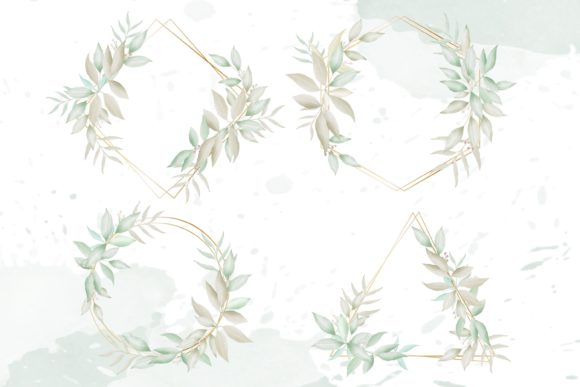
Foliage Frames for Wedding Invitations: A Designer's Guide
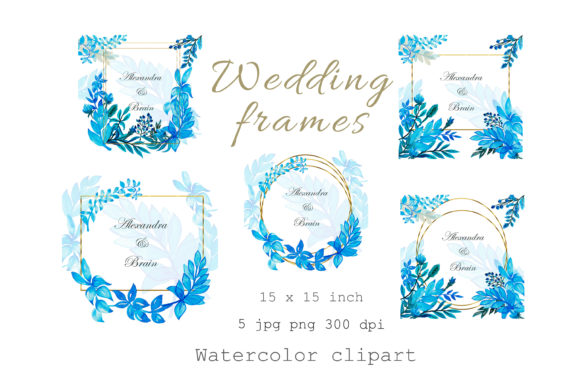
There’s a reason botanical motifs have remained a constant in stationery design for centuries. They bring a sense of life, elegance, and organic beauty to any layout. When it comes to wedding invitations, this connection to nature feels especially fitting. Foliage frames for wedding invitations offer a versatile and visually appealing way to create a cohesive theme, setting the tone for the entire event before a guest even reads a word. These greenery collections are more than just decorative borders; they are foundational design assets that can shape a brand’s visual identity from the very first touchpoint.
The Visual Language of Greenery
What makes a foliage frame so effective? Its power lies in its ability to communicate without words. Delicate eucalyptus sprigs whisper of modern minimalism. Lush, overlapping monstera leaves evoke a tropical or contemporary garden party. Classic olive branches or laurel wreaths suggest timeless formality and heritage. The visual appeal comes from this inherent symbolism and the frame’s structural function. A well-designed greenery frame naturally guides the viewer’s eye toward the central content—typically the couple’s names and key details—while adding depth, texture, and a touch of handcrafted artistry. It softens the geometry of the page, making a formal invitation feel more personal and inviting.
This is where the utility of a professional template collection shines. Instead of commissioning custom illustrations or spending hours sourcing and arranging individual elements, designers and DIY couples can start with a pre-composed, balanced layout. The included EPS and AI files in a foliage collection allow for complete customization. You can adjust the density of the leaves, recolor stems to match a specific palette, or even swap individual botanical elements to better reflect the wedding’s actual floral arrangements. This level of editability ensures the design feels unique and intentional, not generic.
Beyond the Invitation Suite: Practical Applications
While the primary application is clear, the versatility of a high-quality foliage frame extends far beyond a single piece of stationery. Think of it as a core component of a broader brand identity system for an event or even a small business. The same greenery motif used on the wedding invitation can be seamlessly carried through to create a cohesive visual experience across multiple touchpoints.
For a wedding, this means applying the frame to the RSVP card, details card, menu, ceremony program, and thank-you notes. The consistency builds anticipation and reinforces the event’s aesthetic. For entrepreneurs and small business owners, especially those in lifestyle, wellness, or artisanal product spaces, these frames offer immediate branding value. Imagine a boutique florist using a delicate foliage frame on their logo, business cards, and product packaging. A spa could use it on their website banners, social media graphics, and printed treatment menus. The frame becomes a recognizable part of their brand identity, communicating a specific mood—fresh, natural, sophisticated—without a lengthy description.
The practical uses are extensive:
- Logo Design: Incorporating a frame element around a business name or monogram for instant character.
- Packaging & Labels: Creating elegant labels for candles, skincare, or artisanal food products.
- Social Media Templates: Designing consistent Instagram posts, Stories, or Facebook banners that align with brand visuals.
- Website & Blog Headers: Adding a polished, thematic touch to web pages and blog articles.
- Print Materials: Enhancing brochures, flyers, posters, and lookbooks with a professional, designerly feel.
- Digital Products: Elevating e-book covers, course materials, or downloadable planners.
Achieving Professional Polish and Cohesion
One of the greatest challenges in design, whether for a personal project or a commercial one, is achieving visual consistency. A mismatched font, a clashing color, or a poorly composed layout can undermine the entire message. A curated foliage collection helps solve this by providing a unified set of design assets. When the typography, color palette, and decorative elements all speak the same visual language, the result is a professional presentation that builds trust and brand recognition.
This cohesion directly impacts audience engagement. A wedding invitation that feels thoughtfully designed and aesthetically pleasing makes guests feel valued and excited about the event. For a business, consistent and professional branding across all materials—from the website to the packaging—signals reliability and quality. It tells a customer that the business cares about details, which often translates to perceived care in their products or services.
Furthermore, using a premium font or typeface within these frames is crucial for readability. The most beautiful frame in the world is wasted if the text it contains is hard to read. The best collections pair their botanical elements with carefully chosen, legible fonts—often a mix of a clear serif or sans serif for body text and a complementary script or handwritten font for accent headings. This thoughtful font pairing ensures that the information is not only beautiful but also easily digestible.
Making the Template Work for You
Starting with a template is a smart, efficient workflow, but the magic happens in the customization. Here’s how to make these foliage frames truly your own:
- Align with Your Project’s Goals: Is the mood romantic, modern, rustic, or glamorous? Select a frame style that matches. A minimalist line-art frame suits a modern aesthetic, while a dense, textured wreath feels more romantic or vintage.
- Test Font Pairings Rigorously: Even if the template includes suggested fonts, experiment. Try swapping the script font for a different one to see if it better matches your voice. Ensure the hierarchy is clear: the most important information should be the most prominent.
- Prioritize Readability: After customizing colors, print a test page or view it on multiple devices. Check that there is sufficient contrast between the text and the background. Avoid overly ornate scripts for long sentences or critical information like dates and addresses.
- Customize the Palette: Don’t feel locked into the provided colors. Use the editable vector files to change the foliage to sage green, dusty olive, or even a muted gold to match your specific color scheme. This simple change makes the design uniquely yours.
- Understand the Licensing: For any commercial project—whether selling physical invitations, using the frames in client work, or applying them to merchandise—always verify the font and asset licensing. Most reputable template collections include a commercial license, but it’s essential to read the terms to ensure your intended use is covered.
The included file formats offer flexibility for different workflows. The Adobe Illustrator (AI) and EPS files are essential for designers who need full editability. The JPG files are perfect for quick use in social media graphics or as high-quality backgrounds in other design software. This combination ensures the collection is accessible to both professional designers and those with more basic software, making it a valuable addition to any creative’s toolkit. Ultimately, these greenery collections are about providing a beautiful, flexible starting point. They handle the heavy lifting of composition and style, freeing you to focus on the personal details that make each project—whether a wedding or a brand—feel truly special and authentically represented.