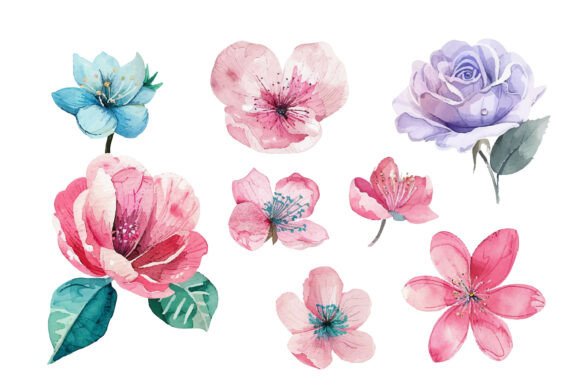
Botanical Flowers EPS for Wedding: A Watercolor Design Guide
There’s a certain magic to watercolor florals. They feel both timeless and immediate, capturing the delicate, organic beauty of nature with a soft, artistic hand. For designers and creators, finding the right floral assets can make or break a project’s aesthetic. A collection that balances elegance with versatility is worth its weight in gold, especially when it comes to projects that demand a romantic, sophisticated touch. This is where the charm of hand-painted botanical elements truly shines, offering a unique blend of artistry and practicality for a wide range of creative endeavors.
The Art of Soft, Organic Illustration
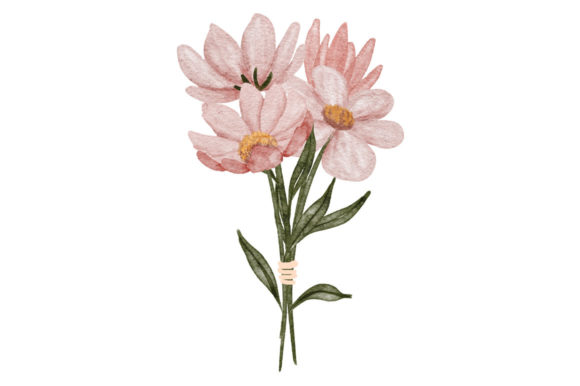
What sets a quality watercolor floral collection apart is its attention to detail and authenticity. Each piece in this Watercolor Pink Flower Clipart Collection is more than just a generic flower shape; it’s a study in texture and form. You’ll notice the subtle variations in tone, the gentle bleed of color where one petal meets another, and the organic, slightly imperfect edges that give hand-painted work its soul. These aren’t sterile, computer-generated graphics. They are digital replications of traditional artistry, featuring delicate brushstrokes and soft gradients that mimic real pigment on paper.
The color palette is intentionally focused on soft pinks, ranging from blush to deeper rose, accented with natural greens for stems and leaves. This cohesive palette is a significant advantage for creating visual harmony across a project. Instead of spending hours trying to match disparate floral graphics, you have a pre-curated set that works together seamlessly. The inclusion of simple blossoms alongside more complex botanical sprays with leaves and stems provides creative flexibility, allowing you to build intricate arrangements or use a single, statement bloom as a focal point.
Practical Applications for Modern Creators
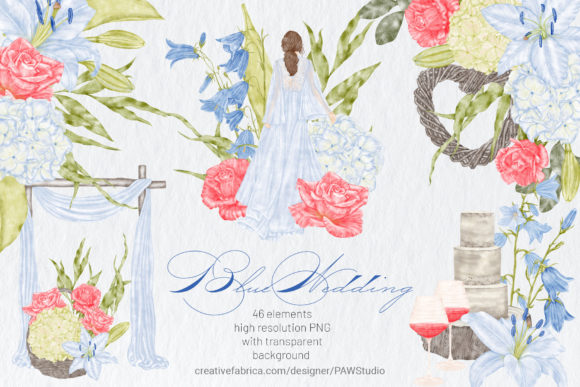
The true value of a design asset lies in its adaptability. This collection of botanical flowers in EPS vector format is a workhorse for numerous applications, particularly for projects where a feminine, romantic, or nature-inspired aesthetic is key. For wedding stationery designers, these are indispensable. Imagine them gracing the corners of a save-the-date card, forming a delicate border for a wedding menu, or serving as the centerpiece of an invitation suite. The soft pink tones are inherently romantic, making them a natural fit for bridal showers, floral-themed parties, and anniversary celebrations.
Beyond weddings, these floral elements can elevate branding for businesses in specific niches. A boutique skincare brand, a florist, a high-end bakery, or a wellness coach could use these illustrations to build a cohesive brand identity. They work beautifully in logo design, where a single, well-placed flower can add a touch of elegance. They’re perfect for packaging design—think labels for artisanal soaps, tags for handmade goods, or wrapping paper for a gift shop. The vector format means they scale perfectly, so the same design element can be used on a tiny business card and a large storefront window decal without any loss of quality.
For digital creators and marketers, the applications are equally broad. These florals can transform social media graphics, making Instagram posts, Pinterest pins, and Facebook covers feel more polished and on-brand. They add a professional, artistic layer to website headers, blog post featured images, and online course materials. Content creators can use them to design beautiful digital planners, printable wall art, or e-book covers. In editorial layouts, they can serve as elegant section dividers or background textures that add depth without overwhelming the text.
Enhancing Your Visual Communication
Using a consistent set of high-quality assets like these botanical flowers directly contributes to stronger visual communication. When your graphics, from your Instagram story to your product packaging, share a common visual language, it reinforces brand recognition. Customers start to associate that particular style of soft, watercolor elegance with your business. This consistency builds trust and makes your brand appear more established and intentional.
Moreover, these illustrations are designed to complement, not compete with, your typography. The soft, organic shapes of the flowers provide a beautiful contrast to clean, modern sans serif fonts or elegant serif typefaces. When pairing, consider the mood. A flowing script font might pair beautifully with a detailed floral spray for a romantic invitation, while a clean, geometric sans serif could balance a simpler blossom for a more contemporary brand. The key is to let the floral elements enhance your message, not distract from it. Their role is to frame, accentuate, and add emotional resonance to your core content.
Working with Vector Florals
The EPS vector format is a significant professional advantage. Unlike raster images (like JPEGs or PNGs), vector graphics are made of mathematical paths and points, not pixels. This means you can scale them to any size—from a favicon on a website to a billboard—without any pixelation or blurring. This scalability is crucial for maintaining a professional presentation across all materials.
Furthermore, vectors are easily editable in design software like Adobe Illustrator. You can change the colors to match a specific brand palette, adjust the composition by moving individual leaves or petals, or combine elements from different flowers to create a custom arrangement. This level of customization allows you to make these assets truly your own, ensuring your final designs are unique. When sourcing design assets, always check the licensing. A commercial license, often included with premium font and graphic collections, is essential if you plan to use the work in projects for clients, for sale, or in any commercial capacity. This protects both you and the original artist.
Finding Your Floral Style
Choosing the right floral style depends on your project’s goals and audience. The soft, watercolor aesthetic of this collection is ideal for conveying elegance, gentleness, and natural beauty. It’s less suited for bold, high-energy, or minimalist corporate designs, but it excels in contexts that value warmth and artistry. Before you begin, consider the overall mood you want to evoke. Are you aiming for vintage charm, modern romance, or rustic simplicity? The specific shapes, color saturation, and level of detail in your chosen florals will communicate that mood instantly.
Don’t be afraid to experiment. Try placing a floral element behind your logo to create a soft background texture. Use a single stem as an elegant bullet point in a list. Frame a key quote or testimonial with a delicate wreath. The possibilities are endless when you start thinking of these botanical illustrations not just as decorations, but as fundamental components of your design system. By integrating them thoughtfully, you can create work that feels both professionally crafted and personally resonant, capturing the timeless appeal of nature in every project.