Enchanting Floral Designs: The Allure of Boho Wedding Clipart
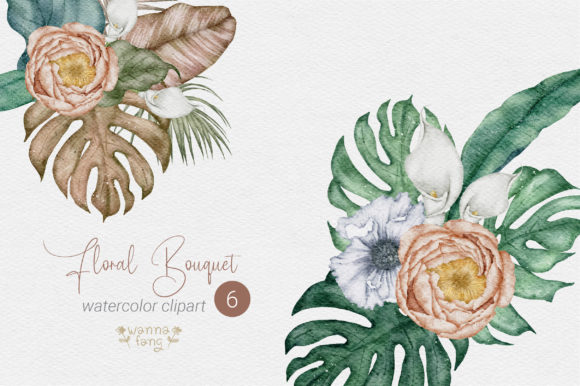
There is a specific kind of magic in a hand-painted watercolor bouquet that photography simply cannot replicate. It captures the mood, the softness, and the artistic imperfection of nature in a way that feels deeply personal. For designers, marketers, and entrepreneurs in the wedding industry, evoking this feeling is often the key to connecting with an audience. This is where high-quality Boho Wedding Flower Bouquet Clipart becomes an invaluable asset. Moving beyond the stiff, overly perfect floral graphics of the past, these hand-painted watercolor bouquets offer a breath of fresh air. They are not just decorative elements; they are versatile tools for building a brand identity, crafting compelling marketing materials, and designing products that resonate with modern consumers.
Beyond the Bouquet: Practical Applications for Visual Storytelling
The true power of a well-crafted design asset lies in its adaptability. A set of six distinct floral illustrations, particularly those with a transparent background and high resolution, opens up a world of creative possibilities. The boho aesthetic, characterized by its earthy, natural, and free-spirited vibe, is incredibly popular, but its success depends on authentic execution. Using generic stock imagery can undermine a brand's credibility. In contrast, incorporating unique, hand-painted elements allows for a more genuine and memorable visual narrative.
For a small business owner or entrepreneur, these assets are a shortcut to a professional presentation. Imagine a wedding planner’s website where each service page is subtly graced with a different floral arrangement from the collection. Or consider a stationer who uses one bouquet as the central focus for a suite of wedding invitations, another for thank-you cards, and a third for RSVP details, creating a cohesive and elegant set. The high-quality 300 dpi and generous 2,700 x 4,800 px dimensions mean these illustrations can be scaled for large format prints, like event posters or welcome signs, without losing any of the delicate watercolor texture. This kind of scalability is crucial for maintaining a brand's professional image across all touchpoints.
Weaving Florals into Your Brand's DNA
A brand is more than a logo; it's the sum of every visual and emotional interaction a customer has. Integrating consistent, high-quality design assets like these watercolor bouquets is a powerful way to build brand recognition and emotional connection. A wedding photographer, for example, could use a specific bouquet as a recurring motif in their client welcome guides, on their blog post headers, and as a subtle watermark on social media images. This repetition builds a visual shorthand, making the brand instantly recognizable without a single word being spoken.
This principle extends across all digital and physical spaces. For content creators and bloggers in the lifestyle or wedding niche, these illustrations can transform a simple blog post into an immersive experience. A "Top 10 Spring Wedding Ideas" article becomes far more engaging when each point is introduced by a delicate floral icon. For social media graphics, a single bouquet can be the perfect background for a quote, a frame for a testimonial, or a standalone image to break up a content feed. The versatility of having six different compositions means you can maintain a consistent aesthetic without becoming repetitive, a common challenge in content marketing.
From Digital Screen to Tangible Product
The utility of premium clipart extends far beyond the digital realm. For entrepreneurs in the print-on-demand space or those creating handmade goods, these floral illustrations are a direct path to new product lines. The transparent PNG format makes them incredibly easy to layer onto different backgrounds. A crafter could print them onto transfer paper to create custom tote bags, t-shirts, or pillows. A small business selling wedding favors could design custom labels or tags, instantly elevating a simple product into something special and on-brand.
Consider the world of editorial design and packaging. A boutique brand selling handmade soaps or candles could use a watercolor bouquet on their product label to communicate a natural, artisanal quality. A food blogger creating a digital recipe e-book could use the illustrations to decorate chapter pages, giving the publication a polished, professional feel that justifies a price point. The hand-painted nature of the art adds a layer of authenticity and craftsmanship that resonates with consumers looking for unique, non-mass-produced items. This is where design assets stop being mere decoration and become a core part of a product's value proposition.
Choosing and Implementing Your Floral Assets Wisely
Not all clipart is created equal. When selecting floral assets for a project, especially for commercial use, a few key considerations can save you time and protect your brand. The first is quality. Low-resolution images will appear pixelated and unprofessional, especially when printed. A collection that specifies a high DPI and large pixel dimensions, like 300 dpi at 2,700 x 4,800 px, is built for serious work. This ensures your designs will look crisp on everything from a business card to a large event banner.
The second consideration is style and cohesion. A single, beautiful illustration is useful, but a small, curated collection is a design system. Look for sets where the illustrations share a common color palette and artistic hand. This allows you to mix and match elements across different projects while maintaining a unified look. Before committing to a large project, it's always wise to test how the clipart integrates with your chosen typography. The organic, flowing lines of a boho watercolor bouquet often pair beautifully with clean, modern sans-serif fonts or elegant, understated scripts. The contrast creates a balanced and readable design.
Finally, always be mindful of licensing. For any project intended for commercial use—whether it's a client's website, a product you sell, or marketing materials for your business—you must have the proper commercial license. This protects both you and the original artist. A well-sourced collection of design assets is an investment in your business's visual infrastructure. By choosing thoughtfully and using these tools strategically, you can craft a brand world that is not only beautiful but also consistent, professional, and deeply engaging for your target audience.